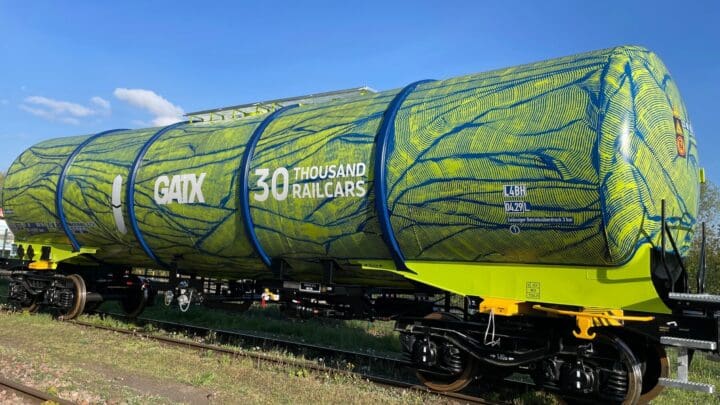
The fleet comprises GATX type 1698 tank cars manufactured by Duro Dakovic (Croatia), Tatravagonka (Slovakia) and WSO’s Ostróda workshop (Poland). The cars will be commissioned at the PCK refinery in Schwedt, eastern Germany, and deployed to transport liquid fuels between PCK, MiRO and Bayernoil refineries to storage terminals serving customers across Germany and wider Europe.
Jan Stephan, Supply and Marketing Director at Rosneft Deutschland, stated that the fleet expansion strengthens long-term transportation capacity and supports reliable fuel supply to customers. He noted continued partnership success with GATX.
The contract underscores rail’s strategic importance in European refined-products supply chains, particularly as energy companies and logistics operators seek reliable alternatives for moving fuels between refineries, storage facilities and distribution centres. Rail transport provides capacity and cost efficiency for high-volume, long-distance fuel movements across European networks.
Rosneft Deutschland, formerly part of the Russian oil giant, is now under German government control and operates as an integrated German fuel distribution enterprise. The tank car expansion positions it among GATX Rail Europe’s largest customers, reflecting sustained demand for rail-based bulk fuel logistics across European markets.
The 450-car deployment represents significant capacity addition to European rail-based fuel distribution infrastructure, supporting ongoing energy supply to German and Pan-European distribution networks. Rail remains a cost-effective bulk transport mode for refined fuels and renewable fuel products moving between production facilities and regional storage and distribution centres.